
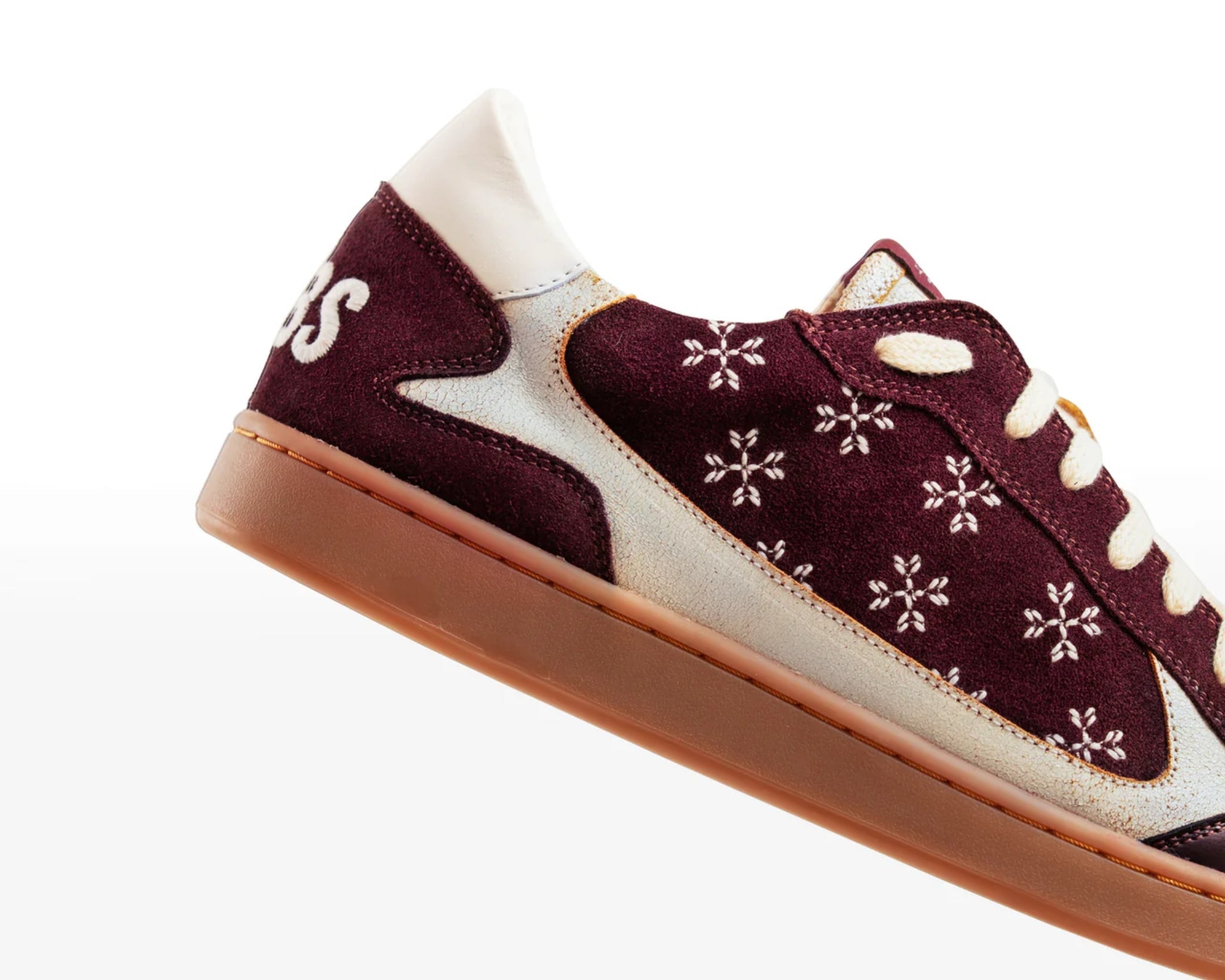

Every sneaker debate in India eventually lands here. From college corridors to weekend brunches, the question echoes: high top vs low top sneakers, which pair actually belongs on your feet?
Much like choosing between chai and filter coffee, the answer depends on who you are and how you move through your day. One silhouette hugs the ankle; the other sets the ankle free. Your lifestyle, city, and daily grind matter more than any trend cycle.
Consider the next few minutes a personal fitting session.
What Makes High-Top and Low-Top Sneakers So Different?
Before weighing pros and cons, the basics deserve a clear breakdown. The core difference between high-top and low-top sneakers comes down to where the shoe ends around your ankle.
The Ankle Factor Changes Everything
High-top sneaker shoes wrap above the ankle bone, creating a locked-in, supportive feel. Originally designed for basketball courts, the structure offers stability during lateral movement. Low-top sneakers cut below the ankle, leaving the joint unrestricted and free. For anyone who values ankle mobility over support, low tops are the obvious pick.
Weight, Breathability, and Daily Comfort
High tops carry more material, meaning more weight on your feet. Extra padding around the ankle traps heat, making warm-weather wear uncomfortable. Low-top sneakers run lighter, cooler, and more forgiving during long hours. For humid Indian summers, low tops feel significantly more comfortable.
A Side-by-Side Snapshot
A clean comparison makes the difference crystal clear:
|
Feature |
High-Top Sneakers |
Low-Top Sneakers |
|
Ankle Coverage |
Above the ankle, secure and snug |
Below the ankle, open and relaxed |
|
Support Level |
Strong ankle stability |
Minimal, relies on natural strength |
|
Flexibility |
Restricted ankle movement |
Full ankle mobility |
|
Breathability |
Lower, traps heat |
Higher, open design |
|
Weight |
Heavier |
Lighter |
|
Best For |
Standing, stability, cold weather |
Walking, commuting, warm climates |
When High-Top Sneaker Shoes Make the Most Sense
Not every day calls for a high-top, but certain situations make the silhouette hard to beat. A look at when high shoes sneakers earn a spot in your rotation.
For Days That Demand Structure and Support
Standing for hours on hard surfaces or playing casual sports benefits from the ankle coverage a high-top provides. The secure fit reduces wobble. Pairing a solid high-top with the right handcrafted leather sneakers keeps feet supported without sacrificing character.
For Making a Style Statement Worth Noticing
High tops command attention the moment you walk into a room. From layered fits to sharp jogger-and-sneaker combos, the silhouette adds vertical interest to an outfit. During Delhi winters or Bangalore monsoon evenings, high-top sneaker shoes also keep ankles warm, making fashion and function feel like the same decision.
When Low-Top Sneakers Win the Day
For everyday routines, low-top sneakers tend to be the more practical choice. Here is when the silhouette really performs.
For Long Walks, Commutes, and Travel
Lighter shoes demand less energy over time, and low-top sneakers deliver exactly that advantage. Whether commuting through Mumbai locals or catching a flight, the reduced weight makes a noticeable difference across a full day. A well-crafted pair of everyday sneakers built for Indian feet can handle all of that while looking sharp for an evening out.
For Warm Weather and Effortless Dressing
Open ankle designs let heat escape, which matters enormously during Indian summers. Low-top sneakers pair effortlessly with shorts, chinos, and relaxed-fit trousers. For anyone who wants minimal friction between getting dressed and stepping out, low tops win.
How to Pick the Right Pair of Sneakers for Your Life
With the differences laid out, the final step involves matching the shoe to your actual routine. Not the routine you aspire to. The one you live.
Match the Shoe to How You Spend Your Hours
A simple framework can cut through the confusion fast:
- Mostly standing at work → high-top sneaker shoes for ankle stability
- Walking and commuting often → low-top sneakers for lightweight ease
- Playing weekend sports → high tops for lateral support
- Travelling frequently → low tops for packability and comfort
- Living in hot, humid climates → low tops for breathability
- Navigating cold or uneven terrain → high tops for coverage and grip
The Smartest Move Is Owning Both
No single sneaker silhouette handles every scenario. Owning one reliable high-top and one dependable low-top covers virtually every situation a week throws at you. Different days call for different shoes.
Ready to see what handcrafted sneakers feel like? Browse the full sneaker collection and pick a pair that matches your taste and lifestyle.
Frequently Asked Questions
Q. Are high-top sneakers better for ankle support than low tops?
Yes. High tops wrap above the ankle bone and offer more stability. The extra coverage helps during lateral movement and extended standing. Support also depends on cushioning and sole construction, not collar height alone.
Q. Can low-top sneakers be worn for sports?
Low tops work well for straight-line movement like jogging or gym sessions. For sports involving sharp turns and jumps, high tops provide better lateral support. Choose based on the type of activity.
Q. Which sneaker style works better in Indian summers?
Low-top sneakers win in warm and humid weather. The open ankle design allows heat to escape, keeping feet cooler. High tops trap moisture, which feels uncomfortable during peak summer.
Q. Do high-top sneakers restrict movement?
Slightly, yes. The higher collar limits ankle flexibility compared to low tops. Most people adjust quickly for casual wear. For activities needing full ankle range, low tops feel noticeably freer.
Q. Should I own both high-top and low-top sneakers?
Absolutely. Each silhouette serves a different purpose. High tops handle structure-heavy days, while low tops manage walking, travel, and warm weather with ease. Owning both covers the widest range of daily situations.
Share:
How to Clean and Care for Your Leather Sneakers: The Complete Guide
How to Style Sneakers with Dresses